Quick win
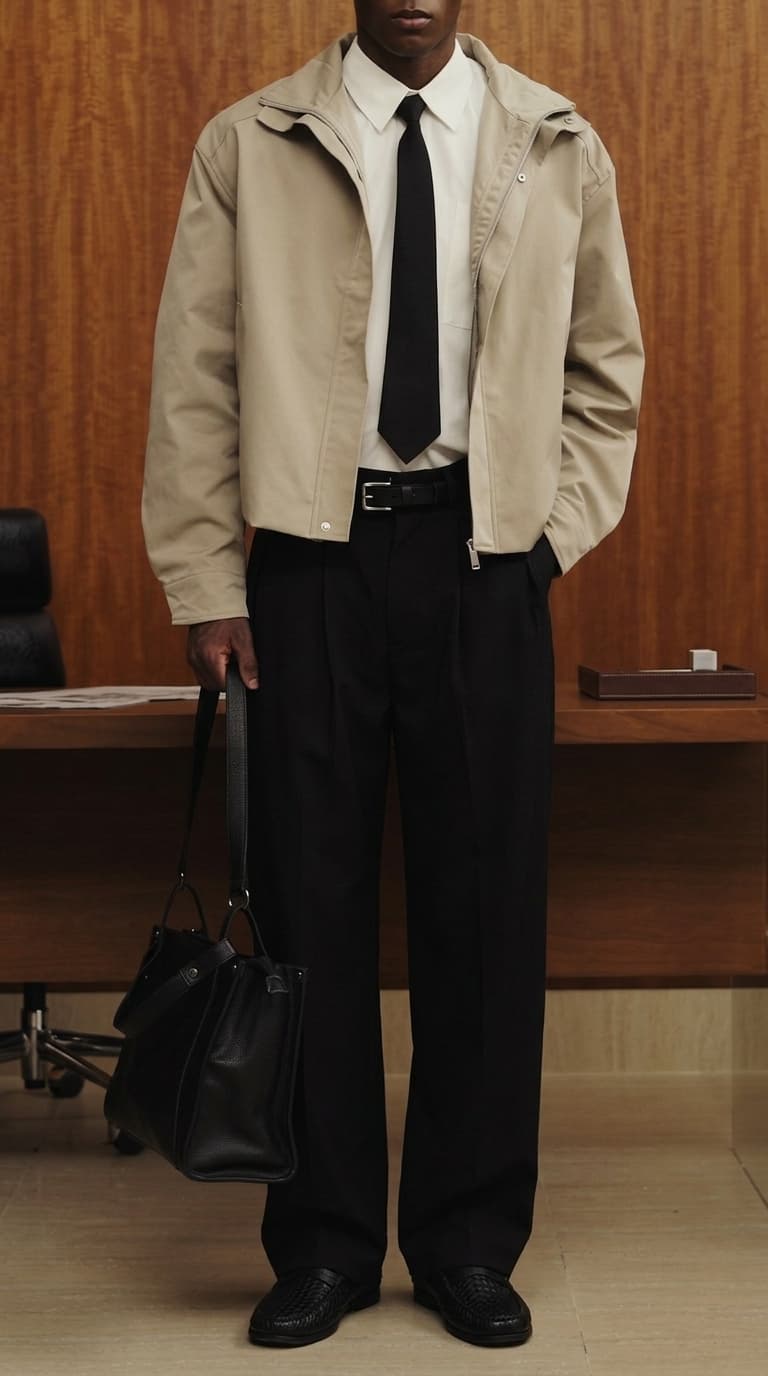
Opt for a well-fitting, neutral-colored jacket like a Harrington or a bomber over a crisp button-down shirt and tailored trousers for an instant smart-casual upgrade.
Start here
The modern business casual aesthetic is a delicate balance between professional polish and relaxed comfort. It’s about looking put-together without being overly formal, making it ideal for a wide range of settings from office environments to smart weekend outings. This look often involves layering thoughtfully, choosing versatile pieces, and paying attention to fit and fabric. The key is to select items that can be mixed and matched, creating a cohesive wardrobe that feels.
This guide will break down the essential elements of a successful business casual outfit, focusing on practical advice for selecting and styling garments. We'll explore how to choose the right jacket, trousers, and footwear, along with the importance of accessories. Whether you're looking to refine your office attire or simply want to upgrade your everyday look, these insights will help you navigate the nuances of modern menswear and build outfits that are both.
1. The Versatile Outer Layer
The jacket is often the defining piece of a business casual ensemble, providing structure and a focal point. A lightweight, neutral-colored jacket, such as a beige Harrington or a bomber style, offers a sophisticated yet relaxed feel. These styles are versatile enough to be worn over a dress shirt and tie, or even a simple crewneck sweater. The key is to ensure the jacket fits well – not too tight, not too loose.
When selecting an outer layer, consider the overall silhouette you want to achieve. A slightly cropped jacket, like the one pictured, can create a modern, elongated look when paired with higher-waisted trousers. Alternatively, a slightly longer bomber or a clean-lined utility jacket can offer a more relaxed vibe. The collar style also plays a role; a laydown collar or a simple stand collar often looks sharper than a bulky hooded design for business.
2. Sharpening the Foundation: Shirts and Ties
Beneath the jacket, the shirt and tie combination forms the core of the business casual look. A crisp, well-ironed white dress shirt is a timeless choice that provides a clean canvas for any outfit. The collar should be neat, and the fit should be comfortable, allowing for ease of movement. While white is a safe bet, subtle patterns like fine stripes or a very light check can also work, provided they don't clash.
The way the shirt and tie are worn is crucial. Ensure the tie is knotted neatly and the tip just reaches the waistband of your trousers. The top button of the shirt should be fastened, and the tie should sit snugly against the collar. This attention to detail makes a significant difference in the overall polish of the outfit.
3. The Importance of Trousers
The choice of trousers significantly impacts the formality and style of your business casual attire. In the image, the model wears black, wide-leg trousers with subtle pleats. This style offers a more relaxed and contemporary silhouette compared to slim-fit chinos or jeans. Pleated trousers can add a touch of sophistication and provide a more comfortable drape, especially in a slightly heavier fabric.
While wide-leg trousers offer a modern statement, other options can also work for business casual. Well-fitting chinos in neutral colors like navy, grey, or olive are a staple. Tailored wool trousers, especially in a subtle pattern like a faint check or herringbone, can also elevate the look. The key is to avoid overly casual materials such as distressed denim or overly athletic-looking joggers.
4. Footwear for the Occasion
Footwear is the final touch that can either complete or detract from a well-assembled outfit. The model in the image wears black woven loafers, a smart choice that complements the trousers and overall aesthetic. Loafers, particularly penny loafers or tassel loafers, are excellent options for business casual, offering a step up from sneakers but remaining more relaxed than formal dress shoes.
When choosing shoes for business casual, consider the context. For a more formal office environment, a plain-toe derby or a sleek chukka boot in leather or suede might be appropriate. For a more relaxed setting, the woven loafers shown are ideal. Even a clean, minimalist leather sneaker can work in some very casual business casual environments, but it's important to gauge the dress code.
5. The Role of Accessories
Accessories are the details that can truly elevate a business casual look from good to great. The belt, in this case, is a simple black leather belt with a classic buckle, which perfectly complements the trousers and shoes. It's important that the belt matches the color and finish of your shoes, or at least coordinates well. A watch is another essential accessory; a classic timepiece adds a touch of sophistication without being ostentatious.
The bag carried by the model is a structured black leather tote. This choice adds a professional and practical element to the outfit, suitable for carrying essentials like a laptop or documents. When choosing a bag, opt for quality materials and a clean design. A leather messenger bag, a briefcase, or a stylish tote can all work well. Avoid overly casual backpacks or gym bags.
6. Avoiding Common Pitfalls
One of the most common mistakes in business casual is leaning too far into casual territory. This can mean wearing ill-fitting or overly worn items, opting for t-shirts instead of collared shirts, or choosing jeans that are too distressed or baggy. Another pitfall is over-accessorizing or choosing accessories that are too flashy. The goal of business casual is to look polished and professional, so every piece should contribute to that image.
Conversely, some men err on the side of being too formal, wearing full suits or overly stiff dress shirts when the occasion doesn't call for it. The key is to find the right balance. Understand the specific dress code of your workplace or event. If in doubt, it's often better to be slightly more dressed up than too casual.
Checklist
- Invest in a versatile, neutral-colored jacket like a Harrington or bomber.
- Ensure your dress shirts are crisp, well-ironed, and fit properly.
- Choose trousers that offer a clean line and appropriate drape, like pleated or well-fitting chinos.
- Select polished footwear such as loafers or clean leather sneakers.
- Coordinate your belt with your shoes for a cohesive look.
- Avoid overly casual items like graphic tees or distressed denim in professional settings.